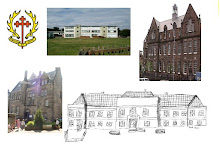
The Biology department in Broughton High School uses Personal Learning Planning.
Here are two examples of worksheets that help pupils to reflect on their work and their next steps.
Click here to view an example of an Intermediate 2 progress sheet. Pupils record marks and their own comments about their work. The teacher also makes a comment and the sheets go home for parental comment also.
Click here to view a worksheet used by the Biology department to share the learning objectives with pupils. Pupils traffic light the learning objectives at the end of each unit.
Tuesday, 3 June 2008

Wednesday, 21 May 2008
Self and Peer Assessment Through Video Recording
 In the P.E. and Dance departments in Broughton High School, video recording is regularly used by pupils to self and peer assess their work.
Pupils watch the video and use a checklist to see what they have achieved and what their next steps are.
You will find below an example of a worksheet for movement analysis from the P.E. deparment.
Friday, 11 April 2008
Sunday, 10 February 2008
AiFL Strategies Supportive for Bilingual Pupils

For pupils who function in more than one language, many of the strategies used in Assessment is for Learning are very supportive for their learning.
This type of learning may be different from that of school systems in other countries. It is important for parents to become aware of the purpose of AiFL strategies and their use in classrooms.
Pupils use a variety of methods in class to assess their own work and that of others to help in the learning process. ( Refer to AiFL Website)
The use of WILF and WALT , also referred to as Sharing Learning Intentions and Success Criteria, help bilingual pupils by setting out clarity of lesson and its aims in simple, direct language.
When working in class, using Traffic Lights, Thumbs, Show Five enables bilingual pupils to signal visually their need for extra support or to show they are coping independently.
Increased wait time during questioning and varied question types are helpful strategies to allow bilingual pupils extra processing time before answering.
Think, Pair, Share offers valuable opportunities to bilingual pupils for discussion and listening.
For self and peer assessment it is important for bilingual pupils to be supported to acquire the language needed for making a full contribution to discussions. This may be in home language, with translation of key expressions and vocabulary; support from Bilingual Support Assistant; explicit pre-teaching of the language required. Posters, on classroom walls, in different languages of success criteria and expressions needed to assess work will help to provide key visual reminders for bilingual pupils to use a reference.
For more information on issues related to bilingual pupils; translation and interpreting services, please contact :
EAL Service,
วิธีการของ AiFL ที่ช่วยสนับสนุนนักเรียนที่พูด อ่าน และ เขียนได้สองภาษา
ส าหรับนักเรียนที่ท างานโดยใช้มากกว่าภาษาเดียว วิธีการหลายวืธีที่ใช้ในการประเมินผลส าหรับการเรียน (Assessment is for Learning (AiFL)) จะช่วยในการเรียนของเขาได้มาก
การเรียนแบบนี้อาจจะแตกต่างจากระบบของโรงเรียนในประเทศอึ่น มันส าคัญที่พ่อและแม่รับรู้ถืงความประสงค์ ของวิธีการของ AiFL และการใช้ในชั้นเรียน
นักเรียนใช้วิธีหลายชนิดในชั้นเรียนเพื่อที่จะประเมินผลของงานของตนเองลคนอื่นเพื่อที่จะช่วยในการด าเนินการของการเรียน (อ้างอิงที่ เว็บไซ้ท์ของ AiFL)
การใช้ WILF และ WALT ซึ่งเรียกว่า ความตั้งใจที่จะเรียนร่วมกัน และ กฏเกณฑ์ของความส าเร็จ เช่นกันนั้น ช่วยนักเรียนที่พูด อ่าน และ เขียนได้สองภาษาโดยการจัดตั้งความชัดเจนของบทเรียน และ เป้าหมายของมันในภาษาที่ง่าย และตรงไปตรงมา
เวลาท างานในชั้นเรียน การใช้สัญญาณไฟจราจร นิ้วโป้ง แสดงห้า ท าให้นักเรียนที่พูด อ่าน และ เขียนได้สองภาษาสามารถที่จะแสดงสัญญาณที่เห็นทางสายตาได้ว่าเขาต้องการความช่วยเหลือเพิ่มเติม หรือ เขาท าได้โดยตนเอง
การเพิ่มเวลาขณะที่ถามค าถาม และ การเปลี่ยนแปรชนิดของค าถาม เป็นวิธีการที่ช่วยนักเรียนที่พูด อ่าน และ เขียนได้สองภาษามีเวลาคิดเพิ่มขึ้นก่อนที่จะตอบ
คิด คู่ ใช้ร่วมกัน เสนอโอกาสที่มีค่าให้กับนักเรียนที่พูด อ่าน และ เขียนได้สองภาษาในการสนทนา และ การฟัง
ส าหรับ การประเมินผลงานของตนเอง หรือ เพื่อน มันส าคัญส าหรับนักเรียนที่พูด อ่าน และ เขียนได้สองภาษาที่จะได้รับความเกื้อหนุนเพื่อที่เขาจะได้ภาษาที่ต้องการให้เขาสามารถเข้าการสนทนาได้อย่างเต็มที่ นี่อาจจะเป็นในภาษาที่ใช้ที่บ้านโดยมีค าแปลของส านวน และ ค าศัพท์ ที่ส าคัญ ความเกื้อหนุนจาก ผู้ช่วยเกื้อหนุนคนที่พูด อ่าน และ เขียนได้สองภาษา (Bilingual Support Assistant) การสอนก่อนหน้าอย่างชัดเจนในภาษาที่ต้องการ รูปโปสเตอร์บนผนังของห้องเรียนในภาษาอื่นๆเกี่ยวกับกฏเกณฑ์ของความส าเร็จ และ ส านวนที่ต้องการเพื่อที่จะประเมินผลงานจะช่วยให้สิ่งที่เตือนความจ าทางสายตาที่ส าคัญให้แก่ นักเรียนที่พูด อ่าน และ เขียนได้สองภาษาใช้เป็นเอกสารอ้างอิงได้
ส าหรับข้อมูลเพิ่มเติมในประเด็นเกี่ยวกับนักเรียนที่พูด อ่าน และ เขียนได้สองภาษา:
EAL Service, Education Services Centre, 154 McDonald Road, Edinburgh EH7 4NN Tel: [0131] 469 2890
ส าหรับบริการ การแปลเอกสาร และ ล่าม กรุณาติดต่อ : บริการ ล่าม และ แปลเอกสาร (Interpretation and Translating Services)
Interpretation and Translation Service Central Library George IV Bridge, Edinburgh, EH1 1EG Tel: 0131 242 8181
이중언어 학생들을 위한 AiFL 지원전략
언어 한가지 이상을 사용하는 학생들에 있어서 ‘학습 평가(Assessment is for
Learning : AiFL)’에 사용되는 많은 전략은 학생들의 학습을 크게 지원합니다.
이런 학습의 형태는 다른 국가의 학교제도의 형태와 다를 수 있습니다.
학부모에게는 AiFL 전략의 목적과 교실에서 이 전략이 사용 된다는 점을 알려 줄
필요가 있습니다.
학생들은 교실에서 다양한 방법으로 자신과 다른 학생의 학업활동을 평가하면서
학습 과정을 돕습니다. (AiFL 웹사이트 참조)
‘학습 의도 공유(Sharing Learning Intentions)’ 및 ‘성공 기준(Success
Criteria)’으로도 통하는 WILF와 WALT 역시 레슨과 레슨 목표를 간단하고
직접적인 언어로 투명하게 설정한다는 점에서 이중언어 학생들에게 도움이 됩니다.
교실에서 공부할 때, ‘교통신호등(Traffic Lights)’, ‘엄지(Thumbs)’, ‘다섯
표시하기(Show Five)’ 등을 사용할 경우 이중언어 학생들은 자신들에게 특별한
지원이 필요하거나 혼자서 잘 해나가고 있다는 것을 시각적으로 신호해 줄 수 있게
합니다.
질문 시간의 ‘기다리는 시간 연장(Increased wait time)’과 ‘다양한 질문 형태(varied
question types)’ 역시 이중언어 학생들에게 대답하기 전에 추가적으로 답할 수 있는
시간을 허용한다는 점에서 유익한 전략입니다.
‘생각하기( Think)’, ‘짝짓기(Pair)’, ‘서로 나누기(Share)’ 등은 이중언어 학생들에게
토론하며 다른 사람의 말에 귀를 기울이는 귀중한 기회가 됩니다.
‘자신 및 친구 평가 (self and peer assessment)’에 있어서 이중언어 학생들은 토론에
전적으로 참여하는 데 필요한 언어 실력이 되도록 지원해 줘야 합니다. 이런 지원
활동은 학생의 모국어, 주요 표현과 어휘 번역, 이중언어지원 보조 선생님의 지원,
필요한 언어에 대한 사전 교육 등을 통해서 행해질 수 있습니다. 학업 평가에
필요한 성공 기준과 표현을 여러 언어로 포스터를 만들어 교실 벽에 거는 것도
이중언어 학생들이 보면서 참고할 수 있는 좋은 실례가 됩니다.
이중언어 학생들과 관련된 쟁점에 대한 더 자세한 정보는 다음 주소에
연락하십시오:
EAL Service, Education Services Centre, 154 McDonald Road, Edinburgh EH7 4NN
전화: [0131] 469 2890
번역 및 통역 서비스는 Interpretation and Translating Services에 연락하십시오.
Interpretation and Translation Service Central Library George IV Bridge, Edinburgh,
EH1 1EG Tel: 0131 242 8181
AiFL stratēģijas palīdz divvalodīgajiem skolēniem
Skolēniem, kas sazinās vairākās valodās, daudzas no stratēģijām, kuras izmanto apmācību sistēma Novērtējums – mācību procesa dzenulis (Assessment is for Learning – AiFL), būtiski palīdz viņiem gūt labākas sekmes mācībās.
Iespējams, ka šī apmācību sistēma atšķiras no skolu sistēmām citās valstīs. Ir svarīgi, lai vecāki iepazītos ar AiFL principu un to pielietošanas nozīmi mācību stundās.
Skolēni stundās izmanto dažādas metodes, lai paši novērtētu savu un klasesbiedru darbu, un tas palīdz viņiem mācību procesā. (Vairāk par to - AiFL tīmekļa vietnē).
Ar WILF and WALT koncepcijas palīdzību (bieži izmantoti kā divi animācijas tēli, kuru vārdi ir akronīmi – WILF (What I am looking for – Ko es vēlos iemācīties) un WALT (We are learning to – Mēs mācāmies…), kuru mēdz saukt arī savādāk – Dalīšanās vēlmē mācīties (Sharing Learning Intention) un Veiksmes kritēriji (Success Criteria), divvalodīgajiem skolēniem ir vieglāk uztvert stundās notiekošo, jo viņiem tiek vienkāršā un saprotamā valodā dota skaidrāka informācija par to, kas paredzēts konkrētajā stundā un par tās mērķiem.
Darbam klasē tiek izmantoti vairāki principi: Luksofori (Traffic Lights), Īkšķi (Thumbs) un Rādi, ka izdevās! (Show Five), kas palīdz skolēniem vizuāli parādīt, ka viņiem ir nepieciešama papildus palīdzība vai arī to, ka viņi patstāvīgi tiek ar visu galā.
Ilgāk laiks, gaidot uz atbildi jautājumu un atbilžu uzdevumos, un dažādi jautājumu veidi ir noderīgas stratēģijas, kas dod divvalodīgajiem skolēniem papildus laiku apdomāties pirms atbildes sniegšanas.
Apmācību struktūra Think, Pair, Share (Domā, strādā pārī, dalies, t.i.,apdomā, apmainies domām ar savu “stundas pāri” un abi kopā – ar citiem klasesbiedriem) piedāvā divvalodīgajiem skolēniem vērtīgas diskusiju un klausīšanās iespējas.
Lai veiktu sevis un klasesbiedra novērtējumu, ir svarīgi, lai divvalodīgie skolēni saņemtu palīdzību un apgūtu valodu tik lielā apjomā, lai varētu pilnvērtīgi piedalīties diskusijās. Palīdzēt var ar dzimtās valodas palīdzību, iztulkojot galvenos izteicienus un pamata vārdu krājumu; atbalstu var sniegt palīgskolotājs darbam ar divvalodīgajiem (Bilingual Support Assistant); un ir nepieciešams rūpīgi un savlaicīgi apgūt valodas pamatus. Pie klases sienām piestiprināti plakāti ar dažādās valodās formulētiem veiksmes kritērijiem un izteicieniem, kas nepieciešami, lai veiktu darba novērtējumu, kalpos divvalodīgajiem skolēniem par vizuāliem “špikeriem”, kuros viņi vajadzības gadījumā varēs ielūkoties.
Sīkāka informācija par divvalodīgo skolēnu apmācības jautājumiem:
EAL Service (AOV (Angļu valoda kā otrā valoda) dienests), Education Services Centre, 154 McDonald Road, Edinburgh EH7 4NN Tel.: [0131] 469 2890
Tulku un tulkotāju pakalpojumi: Interpretation and Translating Services (Tulku un tulkotāju dienests)
Interpretation and Translation Service Central Library George IV Bridge, Edinburgh, EH1 1EG Tel: 0131 242 8181
Strategie AiFL Wspierające Dwujęzycznych Uczniów
Dla wielu uczniów, którzy używają więcej niż jednego języka, wiele strategii używanych
w Ocenie dla Nauki (ang. Assessment is for Learning (AiFL)) jest bardzo pomocnych w
nauce.
Ten rodzaj nauczania może się różnić od systemów szkolnych w innych krajach. Jest
ważne, by rodzice dowiedzieli się na temat celów strategii AiFL oraz ich zastosowania w
klasie.
Uczniowie używają wielu metod w klasie by ocenić swoją pracę oraz pracę innych, co
ma na celu pomoc w procesie nauczania. (Patrz: AiFL Website)
Użycie WILF and WALT , także określanego jako Sharing Learning Intentions (Dzielenie
się Zamiarami Nauki) oraz Success Criteria (Kryterium Sukcesu) pomaga dwujęzycznym
uczniom w ustaleniu przejrzystości lekcji oraz jej celów w prostym, bezpośrednim
języku.
Podczas pracy w klasie, użycie - Traffic Lights, Thumbs, Show Five (świateł ruchu
drogowego, kciuków oraz ‘pokaż piątkę’) umożliwia uczniom zasygnalizowanie w
sposób wizualny ich potrzebę dodatkowego wsparcia lub pokazanie, że radzą sobie
samodzielnie.
Wydłużony czas oczekiwania podczas zadawania pytań oraz zróżnicowane typy pytań są
pomocnymi strategiami, które dają uczniom dwujęzycznym dodatkowy czas na myślenie
przed udzieleniem odpowiedzi.
Pomyśl, Dobierz parę, Podziel się dają uczniom dwujęzycznym cenne możliwości
wzięcia udziału w dyskusji oraz słuchaniu.
Dla samo oceny oraz oceny swoich rówieśników ważne dla uczniów dwujęzycznych jest
bycie wspieranym w przyswajaniu języka, który jest konieczny w braniu pełnego udziału
w dyskusji. Może być to język używany w domu, z tłumaczeniem kluczowych wyrażeń;
pomoc od Dwujęzycznego Nauczyciela Wsparcia; jasno sprecyzowana wstępna nauka
potrzebnego języka. Plakaty, na ścianach w klasie, w różnych językach pokazujące
kryteria sukcesu oraz wyrażenia konieczne do oceny pracy pomogą zapewnić kluczowe
słówka przypominające dla uczniów dwujęzycznych i służyć jako odnośnik.
By uzyskać więcej informacji związanych z uczniami dwujęzycznymi:
EAL Service, Education Services Centre, 154 McDonald Road, Edinburgh EH7 4NN
Tel: [0131] 469 2890
W celu uzyskania pomocy w tłumaczeniu ustnym oraz pisemnym, proszę skontaktować
się z:Interpretation and Translating Services
Interpretation and Translation Service Central Library George IV Bridge, Edinburgh,
EH1 1EG Tel: 0131 242 8181
AiFL Strategies Supportive for Bilingual Pupils
AiFL 策略支援雙語學生
『評估是學習一環 - Assessment is For Learning(AiFL)』計劃中所採用的多種策
略對那些使用多過一種語言的學生的學習有不少幫助。這類型的學習方式可能與其
他國家教育體制所提供的有所不同,因此家長認識到 AiFL 策略的目的及在班房中
的運用是相當重要的。
學生們在班房內使用各式各樣的方法去評估他們自己和其他同學的習作,有助他們
的學習過程。(請瀏覽 AiFL 網站﹕
http://www.ltscotland.org.uk/assess/about/aiflschool.asp)
WILF 及 WALT 的使用,亦稱為『分享學習目的與成功標準 (Sharing Learning
Intentions and Success Criteria)』,是通過以簡單直接的言語來清楚制定課程
的內容和目標來幫助雙語學生。
上課時,使用“交通燈”、“大拇指”及“舉手”讓雙語學生打信號示意他們需要
額外幫助或示意他們可獨立應付。在老師問問題時“增加等候時間”及使用“多種
問題類型”是給雙語學生在回答前有額外思考時間的有用策略。“思考、拍擋與分
享”為雙語學生提供討論及聆聽方面的寶貴機會。
在自我及同學評估中,雙語學生得到幫助學懂所需的言語使他們在討論中能充份參
與是重要的一環。這些幫助可能是從他們在家使用的語言著手並加上主要語句及詞
彙的翻譯、雙語助教的支援、以及清楚地事前教導他們所需的言語。張貼在牆壁的
海報,印有不同語言說明成功標準及用來評估習作的語句,會幫助給雙語學生提供
關鍵視覺提點作為參考。
欲得到更多有關雙語學生問題的資訊,請聯絡﹕
英語為附加語言服務部
地址﹕EAL Service, Education Services Centre, 154 McDonald Road,
Edinburgh EH7 4NN
電話﹕0131 469 2890
欲得到傳譯及翻譯服務的資訊,請聯絡﹕
愛丁堡市議會傳譯及翻譯服務部
地址﹕Interpretation and Translation Service, Central Library, George IV
Bridge, Edinburgh, EH1 1EG
電話﹕0131 242 8181
Wednesday, 6 February 2008
A Curriculum for Excellence and Assessment is for Learning
A Curriculum for Excellence aims to provide a continuous learning programme from age 3 to 18, thus improving the learning, attainment and achievement of the children and young people in Scotland. Children should find their learning challenging, engaging and motivating. They should be encouraged to be active in their learning, understand the purposes of their activities and see the value of what they are learning. A curriculum for excellence builds upon good practice, is accessible, inclusive and able to be easily assessed. Putting the child at the centre and listening to the pupil voice are key aims.
A Curriculum for Excellence is aiming to help all young people to develop into:-
• Successful learners
• Confident individuals
• Responsible citizens
• Effective contributors

Understanding success criteria and the relevance of set tasks enables learners to become more responsible for their own learning and set future targets.
Successful learners should be able to think creatively and independently, learn independently and as part of a group. They should be able to make reasoned evaluations. Self and peer assessment strategies and target setting are central to this development.
Confident individuals should be able to relate to others and manage themselves. Regular use of assessment is for learning strategies enables pupils to become more confident in managing their own learning, and gives them opportunities to relate in a mature and appropriate manner to their peers.
Responsible citizens should be able to show respect for others and make informed choices and decisions. Peer assessments provide opportunities to learn how to give effective feedback to others in a sensitive and understanding manner.
Effective contributors should be self reliant, be able to work in partnership and in teams, and apply critical thinking in new contexts. Understanding learning outcomes and success criteria provides the necessary toolkit to enable young people to be self reliant in their learning. Working as part of a team or partnership requires the ability to communicate effectively and sensitively with others.
A Curriculum for Excellence is about ensuring that pupils achieve on a broad front, not just in terms of examinations. Formative assessment provides a way of evaluating what has been achieved and identifying the next steps of learning. Assessment is for learning plays an essential part in providing a Curriculum for Excellence.
A Curriculum for Excellence is aiming to help all young people to develop into:-
• Successful learners
• Confident individuals
• Responsible citizens
• Effective contributors

Understanding success criteria and the relevance of set tasks enables learners to become more responsible for their own learning and set future targets.
Successful learners should be able to think creatively and independently, learn independently and as part of a group. They should be able to make reasoned evaluations. Self and peer assessment strategies and target setting are central to this development.
Confident individuals should be able to relate to others and manage themselves. Regular use of assessment is for learning strategies enables pupils to become more confident in managing their own learning, and gives them opportunities to relate in a mature and appropriate manner to their peers.
Responsible citizens should be able to show respect for others and make informed choices and decisions. Peer assessments provide opportunities to learn how to give effective feedback to others in a sensitive and understanding manner.
Effective contributors should be self reliant, be able to work in partnership and in teams, and apply critical thinking in new contexts. Understanding learning outcomes and success criteria provides the necessary toolkit to enable young people to be self reliant in their learning. Working as part of a team or partnership requires the ability to communicate effectively and sensitively with others.
A Curriculum for Excellence is about ensuring that pupils achieve on a broad front, not just in terms of examinations. Formative assessment provides a way of evaluating what has been achieved and identifying the next steps of learning. Assessment is for learning plays an essential part in providing a Curriculum for Excellence.
Learning Intentions and Success Criteria
Cluster schools share with their pupils learning intentions and success criteria.
What does this look like at different stages?
Early years –Middle Primary
• This is introduced through characters known as WALT and WILF
• WALT = We are learning to …
• WILF = What I’m looking for…
An example from writing would be:
• WALT = We are learning to use Capital Letters and Full Stops to write a sentence.
• WILF = What I’m looking for at Level B is two correctly punctuated sentences.
Upper Primary
In preparation for Transition we introduce more formal language.
• WALT becomes Learning Intentions.
• WILF becomes Success Criteria
Secondary
The formal language of Learning Intentions and Success Criteria is used across the curriculum.
Children are beginning to recognise these terms. It helps them to focus on their next steps in learning and personal targets.
What does this look like at different stages?
Early years –Middle Primary
• This is introduced through characters known as WALT and WILF
• WALT = We are learning to …
• WILF = What I’m looking for…
An example from writing would be:
• WALT = We are learning to use Capital Letters and Full Stops to write a sentence.
• WILF = What I’m looking for at Level B is two correctly punctuated sentences.
Upper Primary
In preparation for Transition we introduce more formal language.
• WALT becomes Learning Intentions.
• WILF becomes Success Criteria
Secondary
The formal language of Learning Intentions and Success Criteria is used across the curriculum.
Children are beginning to recognise these terms. It helps them to focus on their next steps in learning and personal targets.
Sunday, 25 November 2007


Subscribe to:
Posts (Atom)